MCU
Marvel
Analysis
What Happened after 2019?
Marvel did not collapse overnight. It simply lost the architecture that once made it unstoppable.

8 min read
People often argue about whether the MCU “fell off” as if it were a matter of taste. One person says yes. Another says no. Someone cites box office numbers. Someone else names three movies they liked.
But this debate becomes clearer when you stop treating it emotionally and start treating it structurally.
The truth is simple: after Avengers: Endgame, Marvel lost the systems that once made the franchise feel inevitable.
That is why the post-Endgame era feels different. Not because every film is bad—but because the machine changed.
I. Before Endgame, the MCU Had a Destination

From Iron Man onward, Marvel was building more than sequels. It was building continuity.
Every phase had direction. Characters developed across multiple appearances. Individual stories fed a larger design.
You were not just watching random releases. You were watching movement.
The early MCU turned patience into excitement.
Audiences could feel something was coming, even when they did not know exactly what.
That feeling is rare. Franchises usually expand outward. Marvel, at its peak, was pulling inward toward a singular point.
II. Thanos Was Not Just a Villain. He Was the Payoff.
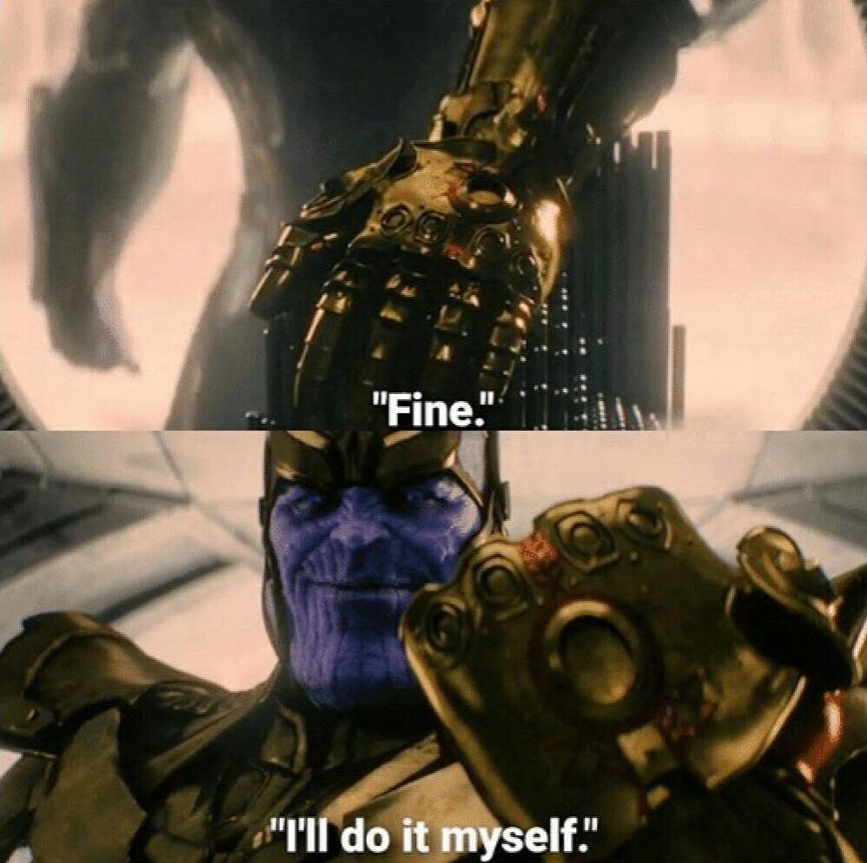
Thanos mattered because Marvel understood restraint.
He was teased slowly across years, not dumped onto screens every five minutes. Each appearance increased curiosity. Each mention increased weight.
By the time Infinity War arrived, he felt less like a new character and more like an unavoidable event.
He did not need constant screen time. He needed gravity.
Then Endgame completed the arc with something blockbuster universes almost never achieve: closure.
The story had a beginning, escalation, climax, and emotional end.
III. Endgame Also Removed the Emotional Anchors
This is where the decline truly begins.
Marvel did not just lose Iron Man and Captain America. It lost its center of gravity.

Tony Stark and Steve Rogers were more than protagonists. They were emotional reference points. They grounded the audience inside an expanding universe.
When chaos increased, viewers still knew who mattered.
Remove the anchors, and even a giant universe starts to drift.
Post-Endgame Marvel had to rebuild attachment from zero. That is a harder task than many admit.
IV. Fragmentation Replaced Momentum

Instead of one clear trajectory, audiences got scattered motion.
Multiple storylines with weak connections.
A flood of Disney+ shows.
Movies that often felt optional rather than essential.
Characters introduced rapidly before audiences formed attachment to the previous wave.
When everything expands at once, nothing feels central.
Earlier phases rewarded commitment. Later phases often demanded homework.
V. The Multiverse Created a Stakes Problem
In theory, the multiverse should have been limitless storytelling fuel.
In practice, it weakened consequence.
If there are endless versions of everyone, death feels softer. Choices feel reversible. Tragedy feels negotiable.
Compare that with Endgame, where sacrifice carried final weight.
Infinite possibilities can create finite urgency.
The more reality bends, the harder it becomes to fear loss.
VI. The Kang Problem Hurt the Saga

Marvel needed a new looming threat.
Kang was positioned as that figure. But unlike Thanos, his arrival lacked disciplined buildup.
He appeared quickly, was explained heavily, and then felt diminished.
When a supposed empire-level villain is beaten early and fails to dominate the atmosphere, tension drops everywhere else.
You cannot announce intimidation into existence. Audiences must feel it.
VII. Even Good Projects Feel Isolated
This is why some strong post-Endgame entries still fail to restore the larger magic.
Spider-Man: No Way Home worked through nostalgia and long-built emotional history.
Guardians of the Galaxy Vol. 3 worked because it concluded a beloved team audiences already knew.
Those victories matter—but they are tied heavily to investments made before the new era.
The MCU has often been cashing emotional checks written years earlier.
VIII. Marvel Went from Event to Constant
Scarcity once made Marvel special.
New releases felt like occasions. Fans showed up because each chapter seemed necessary.
Then volume increased.
Shows. Films. Crossovers. Side stories. More characters. More timelines.
When everything is connected but nothing feels essential, viewers become selective.
Selective interest is the opposite of cultural dominance.
IX. So Did the MCU Become Bad?
No. That is too simplistic.
There are still enjoyable films, charismatic actors, and moments of old brilliance.
But dominance does not disappear only when quality collapses.
Sometimes it disappears when cohesion fades.
Marvel lost narrative focus, emotional anchors, and the long-term certainty that once separated it from every competitor.
X. Why Endgame Feels Like the Real Ending
Because for many viewers, it was.
The central saga they committed to ended there. The journey they followed concluded there. The emotional investment paid off there.
Everything after has felt less like Chapter Two and more like an extended epilogue searching for a new thesis.
The MCU did not suddenly become terrible after Endgame. It lost something more valuable than that debate allows: structure. Before, Marvel offered direction, payoff, and momentum. After, it offered expansion without the same center. If Marvel can rebuild around a true long-term arc—with patience, stakes, and characters audiences deeply care about—it can recover. But if not, Endgame may remain remembered as both the peak and the ending.
If Marvel introduces Doctor Doom and rebuilds a proper long-term arc, do you think they can genuinely recover that “Endgame-level” magic… or is that era gone for good?
Comments
Post a Comment