MCU
Civil War
Opinion
Why Tony Stark Was Right, and Steve Rogers Never Had a Real Answer
Captain America offered ideals. Tony Stark offered responsibility. Only one of those can govern power.

Captain America: Civil War (2016) — Marvel Studios
There is a particular kind of privilege that comes with power unchecked. It moves fast, breaks things, saves the day, and leaves everyone else to clean up the debris. It calls itself heroism. It insists you trust the people in charge. And if you are not careful, it sounds noble enough to believe. That is Steve Rogers' position in Civil War. Tony Stark hears it—and rejects it completely.
Because Tony understands something Steve never fully does: good intentions are not a governing system. Noble people can still make catastrophic mistakes. Heroes can still kill civilians. And power that answers only to itself eventually becomes dangerous, no matter how honorable the people holding it may seem.
That changes everything.
I. The Film Opens by Proving Tony's Case
Before anyone mentions the Sokovia Accords, the movie gives us Lagos. Crossbones detonates himself. Wanda diverts the blast to save Steve. The explosion destroys part of a building and civilians die.

No invasion. No alien army. No world-ending machine. Just the Avengers on a mission—and innocent people still pay the price.
New York was devastation. Washington collapsed. Sokovia nearly became extinction. Lagos was the final reminder: even rescue missions can become disasters.
At some point, any serious society asks the obvious question: who is accountable when extraordinary people cause ordinary people to suffer?
Steve's answer is trust us. Tony's answer is rules.
"If we don't accept limitations, we're no better than the bad guys." It is not self-hatred. It is the first honest sentence spoken about power in the entire conflict.
II. Tony Is the Only One Who Learns From Consequences
One of the most important scenes in the MCU is not a battle. It is a mother confronting Tony Stark about her son, killed in Sokovia.
That moment matters because Tony does what powerful people rarely do: he allows pain to teach him something. He does not hide behind success. He does not say the greater good excuses collateral damage. He accepts that innocent people bear the cost of Avengers decisions.
Ultron was his creation. Sokovia was tied to his arrogance. Lagos proves the pattern continues. So Tony supports oversight not because he is weak, but because he has matured enough to know unchecked judgment is not enough.
Steve responds to crisis by trusting himself more. Tony responds by trusting himself less. Only one of those responses resembles growth.
III. Oversight Is Not Tyranny
Team Cap frames the Sokovia Accords as chains. They are not chains. They are governance.
The Avengers cross borders, wage combat, destroy infrastructure, detain threats, and make life-or-death decisions on foreign soil. In the real world, that is not a club. That is an international force with military capability beyond most nations.
Tony grasps the central political truth Steve resists: power must answer to something beyond personal conscience.
Steve says governments are flawed. True. Tony says flawed institutions are still safer than private individuals with unlimited force and zero supervision.
That is the more adult argument.
IV. Steve Has Criticism, But No System
Steve Rogers is excellent at identifying corruption. HYDRA infiltrated S.H.I.E.L.D. He is right to distrust institutions.
But after criticism comes the harder question: then what?
Steve never provides a real answer. No framework. No appeals process. No accountability mechanism. No limits. Just faith that the Avengers will decide correctly because they mean well.
That is not constitutional design. It is benevolent vigilantism.
Distrust of bad systems is understandable. Replacing them with no system at all is not wisdom.
V. The Airport Battle Is the Cost of Steve's Refusal
Leipzig is often remembered as fun spectacle. It is actually a warning.
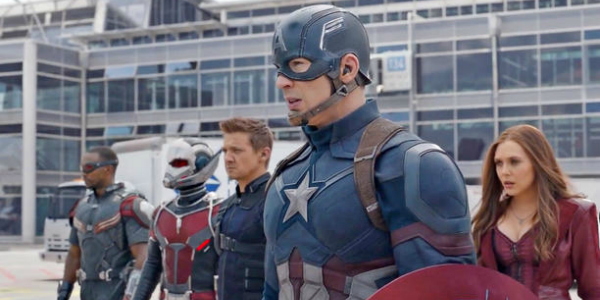
Avengers fighting Avengers. Massive property damage. Vision cripples Rhodey. Global defenders reduced to factions. And it happens because Steve refuses to cooperate with any legal framework while pursuing his own unilateral mission.
Tony repeatedly seeks compromise.
"If you sign, we can protect you." That is not dictatorship. That is an offer to resolve conflict inside a lawful structure.
Steve declines. Then everyone pays for it.
VI. The Bucky Issue Reveals the Real Divide
Steve protects Bucky because he knows the man beneath the programming. Emotionally, it is admirable.
Politically, it is insufficient.
Bucky Barnes is also a lethal operative tied to multiple assassinations and vulnerable to reactivation. Tony's instinct is due process, containment, and formal handling through institutions. Steve's instinct is personal trust.
Friendship is meaningful. It is not a substitute for procedure.
VII. The Ending Does Not Prove Tony Wrong
When Tony learns Bucky killed his parents, he explodes. Many viewers treat this as moral collapse.
Look closer.
He has been lied to by Steve, manipulated by grief, and confronted with the murder of his family in brutal detail. He reacts as a son and as a human being. Pain overwhelms principle for a moment.
But even there, Tony's core belief survives: people must answer for what they have done, even when we love them, even when excuses exist, even when the truth hurts.
This was never about whether Steve Rogers was noble. He was. It was about whether nobility alone is enough to regulate power. Tony Stark understood that it is not. Heroes make mistakes. Intentions fail. Judgment bends under emotion. Systems can be flawed, but the absence of systems is worse. The Sokovia Accords were imperfect, perhaps deeply so, but they were at least an attempt to make power answerable to the world it affects. Tony Stark chose limits, accountability, and responsibility. In Civil War, that made him the only adult in the room.
"But hey, that's just one man's opinion." Tony Zielinski (Suits)
Comments
Post a Comment